

Grants
Terrestrial Conservation
Bird routes of the Aeolian Islands
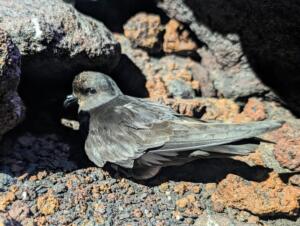
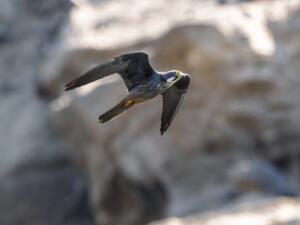
The Aeolian Islands are an important migratory hotspot for birdlife, serving as a key corridor in the heart of the Mediterranean along the Euro-African flyways. The islands also provide shelter and nesting areas for a variety of seabirds and birds of prey, representing an extraordinary natural heritage that deserves to be protected and enhanced for birdwatching enthusiasts.
Through this project, SEF and NESOS aim to foster the development of skills for responsible birdwatching tourism, promote the archipelago as a birdwatching destination, encourage tourism beyond the peak season, and support a sustainable local economy that is mindful of biodiversity.
This sustainable tourism model will help protect and showcase nature rather than threaten it, by creating a network of expert guides, developing dedicated birdwatching itineraries, producing an Aeolian Islands birdwatching guide, and promoting awareness-raising activities for tour operators, travel agencies, and schools.
An important opportunity for the Aeolian Islands to strengthen a nature-based tourism sector that celebrates and enhances the unique value of the local environment.

*OCTOBER 2026 UPDATE*