
Grants
Terrestrial Conservation
DNA river: protecting freshwater biodiversity and ecosystems
awarded
Project duration: September 2025 – December 2025
Madonie Regional Park with its 40,000 hectares, is one of the most biodiverse areas in Sicily. Yet the Pollina River Basin, the park’s largest, is under threat from pollution, droughts, illegal water extraction, and extreme weather events.
We will bring together science, education, and participatory action to protect this vital ecosystem through key activities: environmental DNA (eDNA) sampling & analysis; the creation of a participatory biodiversity map of the river; a scientific report aimed at policymakers; an illustrated storybook for local communities and schools, a final event at Serra Guarneri Environmental Education Center. All aimed at empowering local communities to become guardians of the river.
DNA River is a project conducted by Palma Nana, implemented in collaboration and with the support of Sicily Environment Fund, with technical support of Nature Metrics.
*UPDATE DECEMBER 2025*
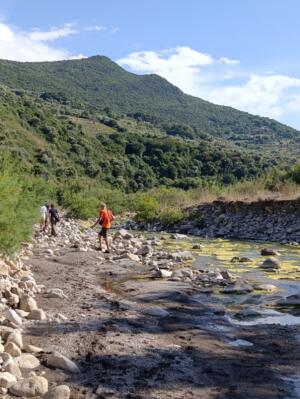
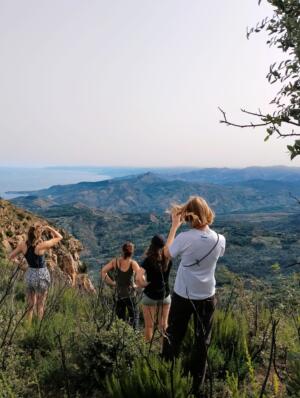
With the DNA River project, we are beginning a journey between science and community. These days we are out in the field conducting site explorations; and soon, we will start collecting environmental DNA, mapping biodiversity, and co-creating knowledge to protect this ecosystem.
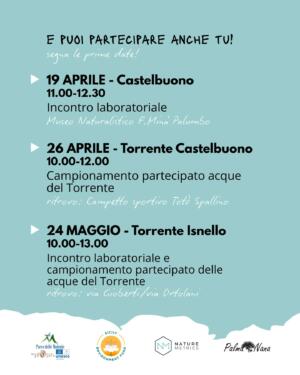
Follow the next steps: you can participate in the sampling activities and in the creation of a shared map of the river.
*UPDATE APRIL 2026*
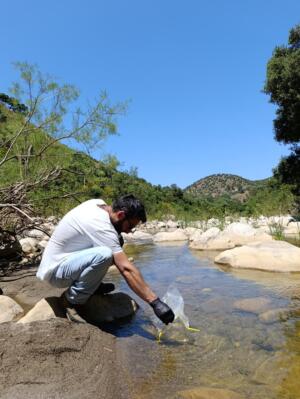
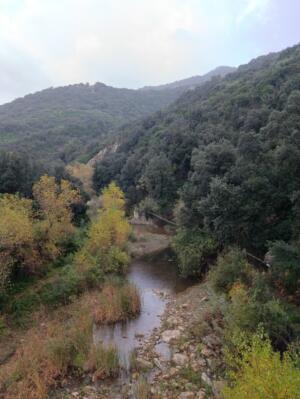
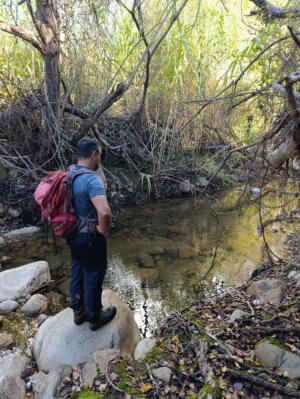
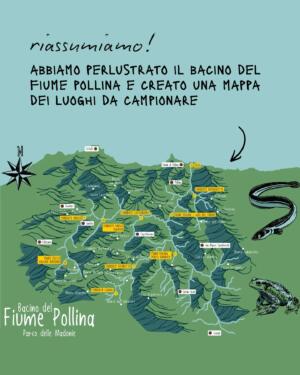
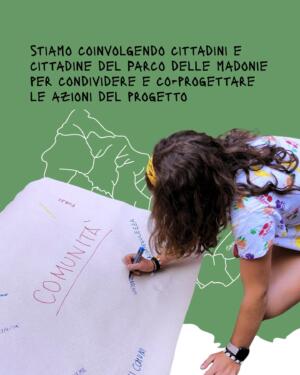
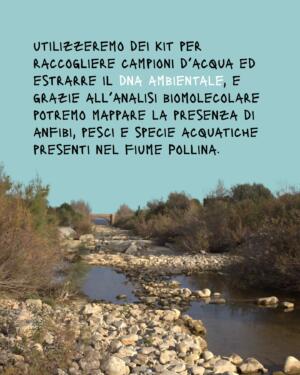
We surveyed the Pollina River basin and created a map of the sites to be sampled. We are involving citizens from Madonie Park to share ideas and co-design the project. We will use kits to collect water samples and extract environmental DNA (eDNA) in order to map the river’s biodiversity.
**UPDATE JULY 2026**
This spring, we explored the Pollina River to collect water samples and search for traces of the life it supports.
Through environmental DNA (eDNA) analysis, the DNA Fiume project is studying the biodiversity of the largest river basin in the Madonie Park: a precious ecosystem that is now threatened by climate change, drought, pollution, and habitat degradation. Every sample we collect helps us better understand the species living in the river and build a scientific foundation to support their conservation.
But this project is about more than research, it is also about citizen science, engaging local communities, schools, and citizens in understanding and protecting their natural environment.
Sampling will continue in September to expand our monitoring efforts and gather new data on the biodiversity of the Pollina River.